
BURG Translations Blog

Application of the principles of the ISO 9001 quality management system to a translation company
19% of LSPs are certified in the ISO 9001. As a professional services industry that is driven by process and can create substantial business risk for its clients, this statistic should be concerning to its clients. Anecdotally, the most common reason I’ve heard for language service providers (LSPs) to forgo the certification is the lack of return on investment (ROI). While it might be difficult to quantify some sources of ROI, the access it provides to clients who are also certified in the ISO 9001 could be reason enough. This article will focus on the application of the principles of the ISO 9001:2015 quality management system to BURG Translations. Below are the principles: Read more


When to get involved in a translation project
Most buyers of translation services prefer not to be involved in the translation project. In some cases, this approach is perfectly fine and will not affect the outcome of the project. However, like tailoring a suit, or in any other personalized professional service, the buyer can benefit greatly by participating – particularly in terms of cost-effectiveness. This article will define when it makes sense for buyers to participate in a translation project. The criteria in a project are: Read more

Why document type matters in language translations
Many of our larger clients use us for a variety of reasons. The Legal department needs help with contracts, patents and investigations. The HR department needs help with eLearning and immigration documents and Marketing/Communications would like assistance with brochures and their website. Note, “document” will be defined as what is inside a file. For example, a contract is a document, that may be a DOC or PDF. This therefore also includes videos and websites. Different kinds of documents require different skills in translation, formatting and software. Furthermore, different documents have different risks related to pricing and quality. In this article, we break documents down into basic elements from a translation point of view: Read more
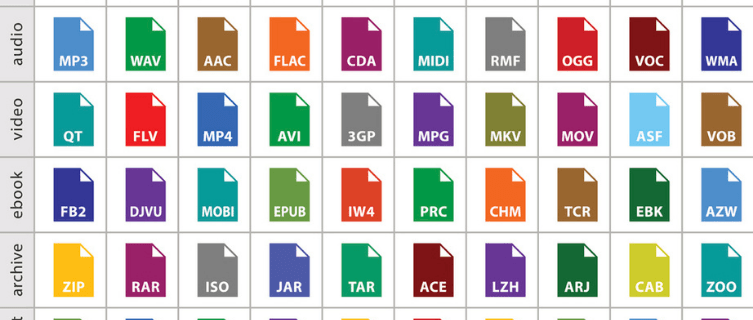
Why file type matters in language translations
Clients sometimes don’t realize that file type matters. For example, requesting the translation of a PDF file differs from translation of a DOCX and translating a JPEG is different from translating a PSD. File types may have their own software, processes, challenges, and sometimes even vendors. In this article, we will categorize file types in a helpful way and describe a few things about each file type that affect how a language service provider (LSP) goes about translating them. Read more


